




Long-distance motorcycle touring is one of the best ways to explore Bangladesh. Whether you are planning a ride from Dhaka to Cox's Bazar, Sylhet, Bandarban, Rangamati, or another destination, a long ride requires more preparation than a normal daily commute.
Spending several hours on the road means dealing with highway traffic, wind, dust, changing weather, road conditions, and physical fatigue. Having the right motorcycle touring gear can make the journey more comfortable and help you stay prepared for different situations.
You do not need to carry every motorcycle accessory available. Instead, focus on the essential gear that matches your route, riding style, weather, and the length of your trip.
In this guide, we will look at the essential motorcycle gear for long-distance touring in Bangladesh and explain why each item can be useful.
1. Motorcycle Helmet
A helmet should be the first item on every motorcycle touring checklist.
During a long-distance ride, you may spend hours riding through highways and busy roads. A properly fitting helmet provides important head protection and also helps reduce exposure to wind, dust, and road debris.
When choosing a touring helmet, pay attention to:
- Proper head fit
- Helmet coverage
- Chin strap
- Ventilation
- Visor condition
- Overall weight and comfort
- Recognized safety standards
A helmet that feels comfortable during a short ride may feel very different after several hours, so comfort is particularly important for touring.
👉 Explore Motorcycle Helmets
2. Motorcycle Riding Gloves
Your hands are constantly working during a motorcycle ride. You use the clutch, brake, throttle, and other controls repeatedly, so your hands can become tired during a long journey.
Motorcycle riding gloves can provide better grip and help protect your hands from wind, dust, weather, and minor impacts.
For long-distance touring, look for gloves that:
- Fit properly
- Allow comfortable finger movement
- Provide a secure grip
- Do not interfere with the controls
- Feel comfortable after several hours
Full-finger motorcycle gloves are generally a practical choice for longer rides.
👉 Check Motorcycle Hand Gloves
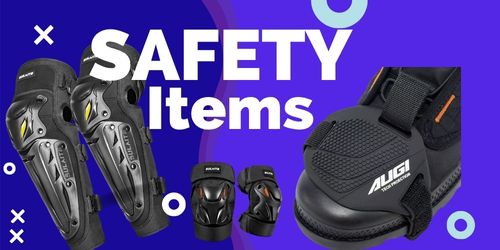
3. Knee and Elbow Guards
For riders who do not have motorcycle pants or jackets with built-in protection, separate knee and elbow guards can be useful additions to touring gear.
These guards provide an additional protective layer around the joints and can be particularly useful during long highway rides.
When wearing protective guards, make sure they stay securely in place without making it difficult to move your arms or legs.
👉 Explore Knee & Elbow Guards
4. Windbreaker
Wind becomes much more noticeable when riding at highway speeds. Continuous exposure to strong wind can make a long ride uncomfortable, especially during early mornings, evenings, or cooler weather.
A lightweight windbreaker can work as an additional layer over your riding clothes and can be easy to carry when you are not wearing it.
For touring, consider a windbreaker that is:
- Lightweight
- Comfortable
- Easy to pack
- Suitable for changing weather
- Comfortable over your riding clothes
👉 Explore the Windbreaker Collection
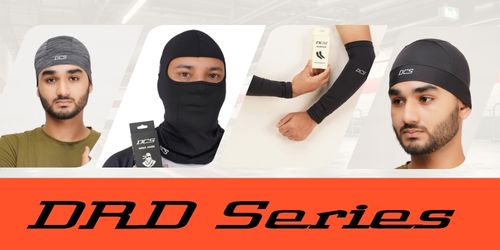
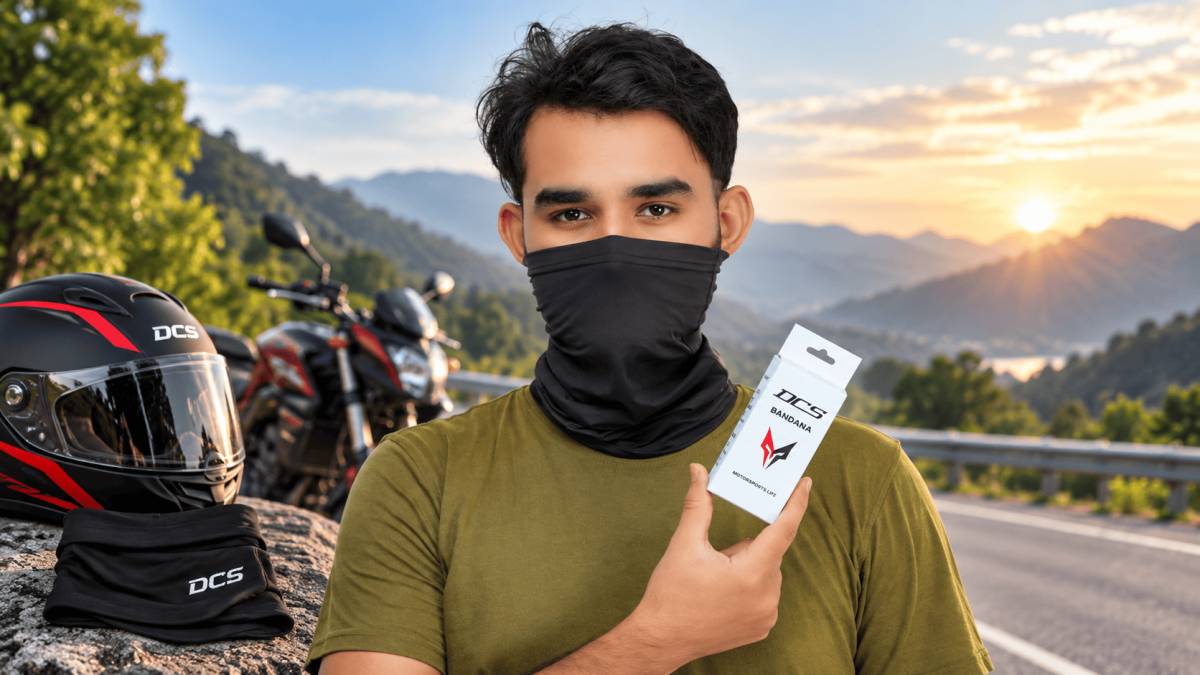
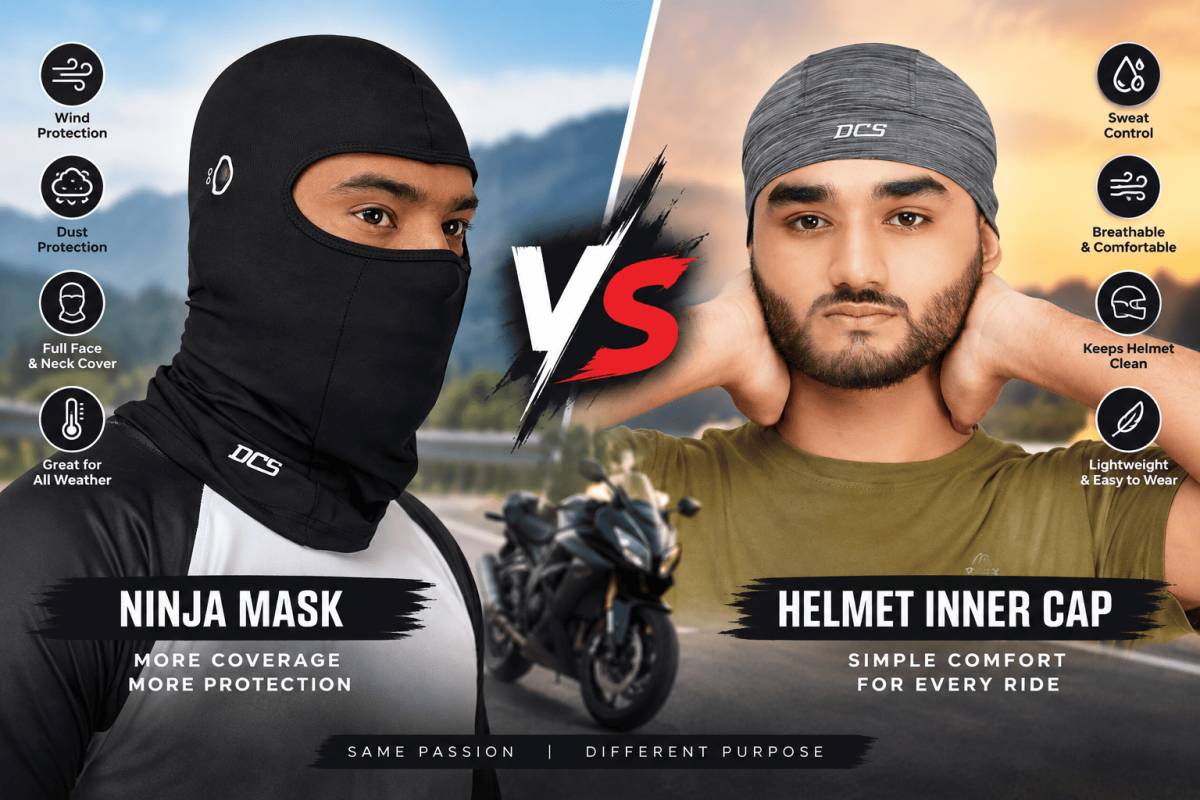
5. Rider Mask or Ninja Mask
Dust, sunlight, wind, and pollution can become uncomfortable during a long motorcycle journey.
A suitable rider mask can provide additional coverage around the face and neck and can be useful when riding through dusty or busy areas.
However, comfort is important. Make sure the mask allows comfortable breathing and does not interfere with your helmet, visor, or vision.
👉 Explore the DRD Rider Series
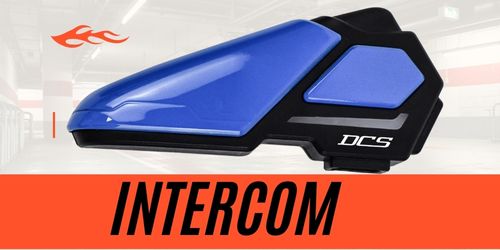
6. Motorcycle Helmet Intercom
If you are travelling with a group, communication becomes much easier with a motorcycle helmet intercom.
During a long ride, riders may become separated because of traffic, overtaking, fuel stops, or different riding speeds. An intercom can make communication between riders more convenient.
Depending on the model, an intercom may also support features such as:
- Rider-to-rider communication
- Phone calls
- Music
- Navigation audio
- Passenger communication
Before starting your tour, pair the devices and test the microphone and speakers.
👉 Explore the Motorcycle Intercom Collection
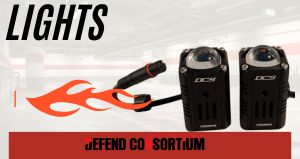
7. Motorcycle Fog or Auxiliary Light
Long-distance rides do not always happen during daylight. You may start early in the morning or continue riding after sunset.
Additional motorcycle lighting can be useful when visibility is limited. Properly installed auxiliary lights can improve your ability to see the road and make your motorcycle more noticeable in appropriate conditions.
However, lights should always be aimed and used responsibly. Avoid using excessively bright lights in a way that creates glare for other road users.
👉 Check the Motorcycle Lights Collection
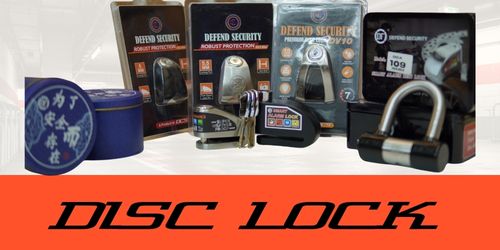
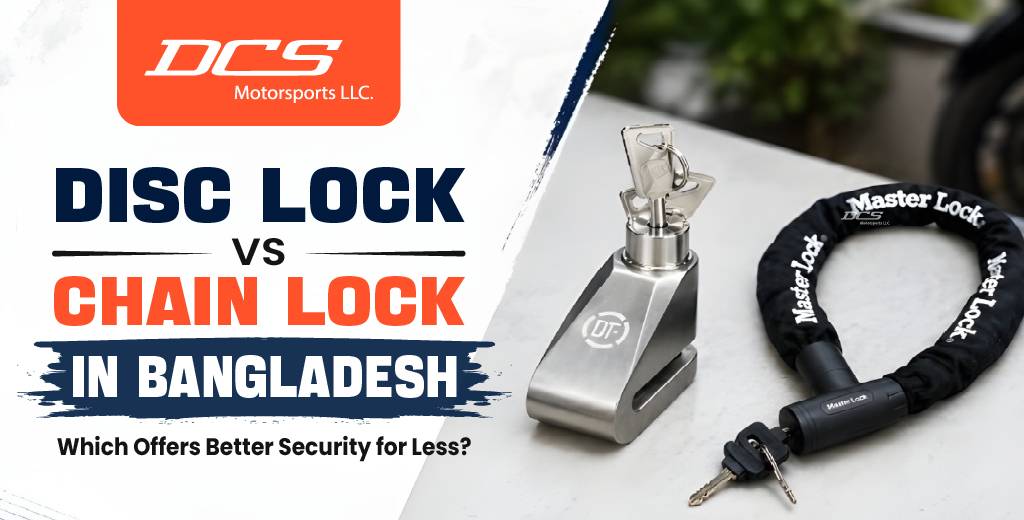
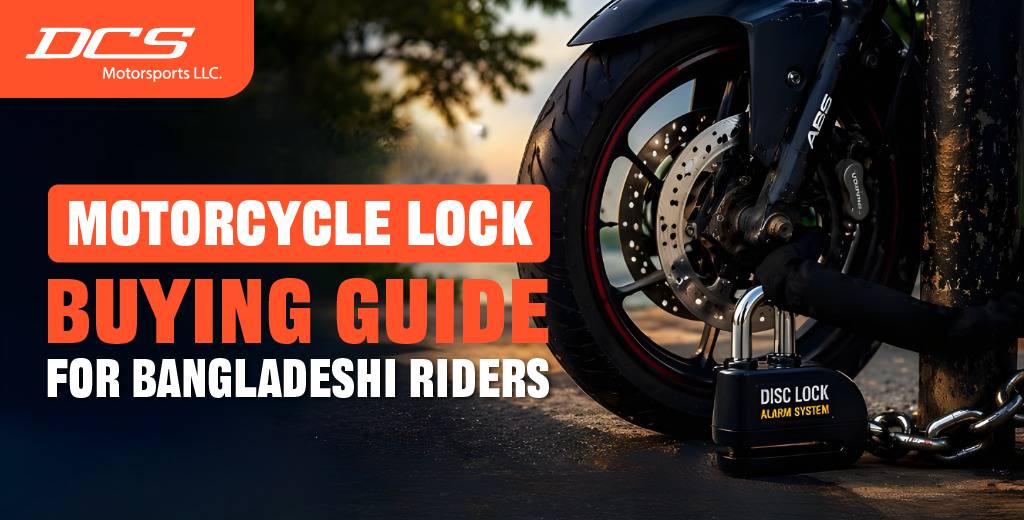
8. Motorcycle Disc Lock
Touring also means making stops.
You may leave your motorcycle outside a restaurant, hotel, tourist attraction, fuel station, or other location. A disc lock can add another layer of security when the motorcycle is parked.
A disc lock is not a replacement for secure parking, but it can make unauthorized movement of the motorcycle more difficult.
For overnight stays, try to park somewhere secure, visible, and preferably monitored.
👉 Explore Motorcycle Disc Locks
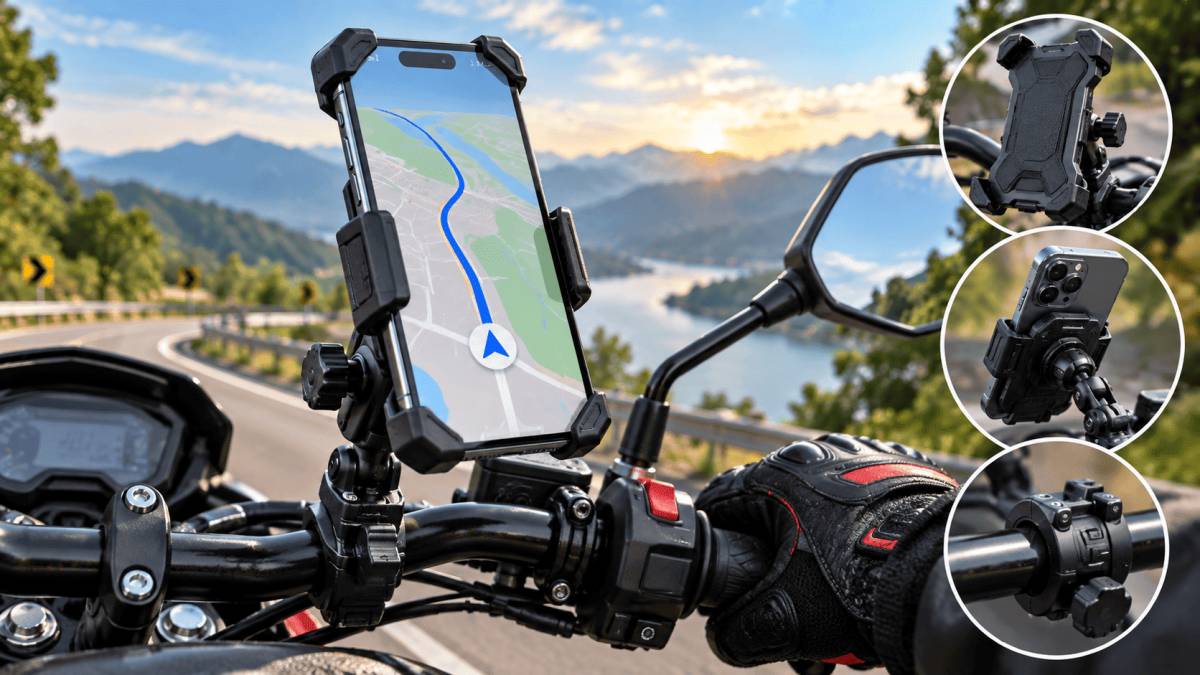
9. Motorcycle Phone Holder
Navigation is one of the most useful features of a smartphone during a long-distance motorcycle tour.
A motorcycle phone holder allows you to mount your phone on the motorcycle so you can use navigation without having to keep the phone in your hand.
Before starting the ride:
- Make sure the mount is securely tightened.
- Check that your phone is properly secured.
- Set your navigation route before moving.
- Keep your phone protected from rain when necessary.
Never use or operate your phone while the motorcycle is moving. If you need to change the route, stop somewhere safe first.
👉 Explore Motorcycle Accessories
10. Thigh Bag for Small Essentials
A long motorcycle tour often involves carrying small items such as:
- Wallet
- Keys
- Cash
- Cards
- Small personal items
- Phone or other small accessories
Keeping these items in a large backpack can be inconvenient when you need something quickly.
A motorcycle thigh bag provides a compact way to carry frequently used small items while keeping them accessible.
The DCS Carbon Fiber Thigh Bag can be a practical option for riders who prefer carrying small essentials close to them during a ride.
👉 Check the DCS Carbon Fiber Thigh Bag
11. Shift Shoe Cover
Your footwear can experience repeated contact with the motorcycle's gear shifter during a long ride.
Over time, this contact can leave marks or cause visible wear on regular shoes. A shift shoe cover can provide an additional layer between the gear lever and your footwear.
It is a small accessory, but it can be useful for riders who want to protect their shoes during longer journeys.
👉 Check the AUGI Shift Shoe Cover
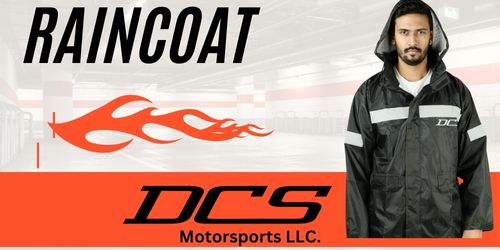
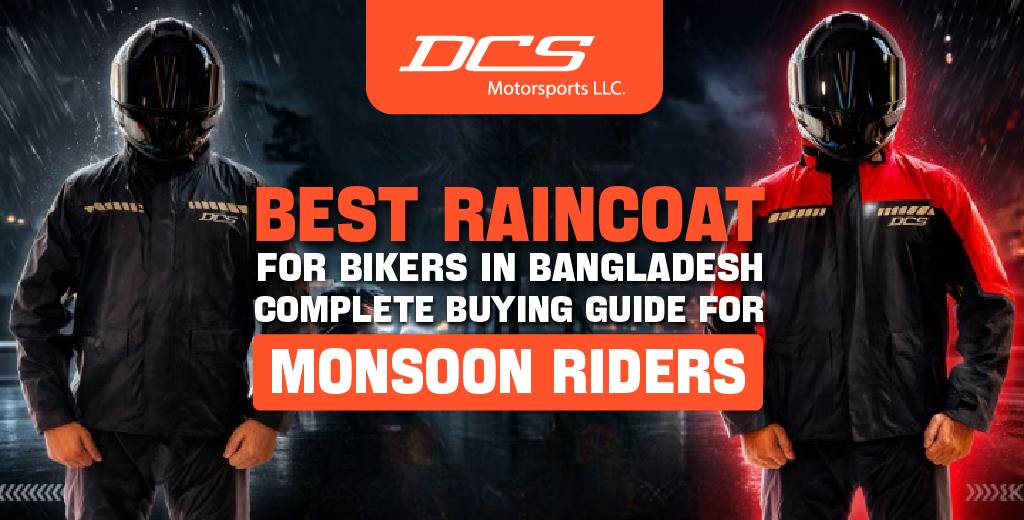
12. Rain Protection
Bangladesh's weather can change quickly, particularly during the rainy season. A long-distance rider should be prepared for the possibility of rain even if the weather looks clear when leaving home.
Keep suitable rain protection with you and make sure important belongings such as your phone, wallet, documents, and electronic accessories are protected from water.
A waterproof bag cover can also be useful when carrying luggage.
The important thing is not to assume that clear weather at the beginning of the trip means the entire journey will remain dry.
13. Basic Motorcycle Emergency Kit
Touring gear is not only about what you wear. It is also about being prepared for small problems on the road.
Consider carrying a basic emergency kit containing:
- Basic motorcycle tools
- Puncture repair equipment
- Spare fuses where applicable
- Small flashlight
- Cable ties
- Electrical tape
- Tire pressure checking tool
- Basic first-aid supplies
You do not need to carry a full workshop with you. A compact emergency kit is usually enough for dealing with simple problems until professional assistance is available.
14. Water and Snacks
Long rides require regular breaks.
Keep drinking water with you and take breaks for food and hydration. Riding for several hours without stopping can make you physically tired and reduce concentration.
Instead of trying to reach your destination as quickly as possible, plan your journey around reasonable rest and fuel stops.
A comfortable pace is more important than simply covering the maximum distance.
15. Motorcycle Documents
Before starting a long-distance ride, make sure you have the necessary motorcycle and personal documents with you.
Depending on your situation, these may include:
- Driving licence
- Motorcycle registration documents
- Insurance-related documents where applicable
- Identification
- Emergency contact information
Keep important documents protected from rain and easy to access when needed.
16. Prepare Your Motorcycle Before the Tour
Even the best touring gear cannot compensate for a motorcycle that has not been properly checked.
Before a long trip, inspect the major components of your motorcycle.
Check the Tyres
Inspect tyre pressure, tread condition, cuts, cracks, or unusual wear.
Check the Brakes
Make sure the front and rear brakes are working properly and check the brake components if service is due.
Check the Chain
Inspect the chain tension, cleanliness, and lubrication.
Check the Engine Oil
Make sure the oil level is appropriate and consider changing the oil if your motorcycle is approaching its scheduled service interval.
Check the Lights
Test:
- Headlight
- Brake light
- Indicators
- Tail light
- Auxiliary lights
Check the Battery
If your motorcycle has shown signs of battery weakness, address the issue before beginning a long trip.
A basic inspection before departure can help prevent avoidable problems during the journey.
17. Don't Forget Comfort
Safety equipment is important, but comfort also matters during long-distance touring.
After several hours of riding, you may experience discomfort from:
- Poor riding posture
- Strong wind
- Excessive heat
- Tight clothing
- Incorrect helmet fit
- Uncomfortable gloves
- Lack of breaks
Take regular rest stops and adjust your riding position when necessary.
If you feel sleepy or excessively tired, stop riding and take a proper break. Fatigue can affect concentration and reaction time.
Essential Motorcycle Touring Gear Checklist
Before leaving for a long-distance motorcycle tour in Bangladesh, use this simple checklist:
| Gear | Recommended |
|---|---|
| Motorcycle Helmet | ✅ Essential |
| Riding Gloves | ✅ Essential |
| Knee & Elbow Guards | ✅ Recommended |
| Windbreaker | ✅ Recommended |
| Rider Mask | ✅ Useful |
| Helmet Intercom | Optional |
| Fog/Auxiliary Light | Depending on need |
| Disc Lock | ✅ Recommended |
| Phone Holder | ✅ Useful |
| Thigh Bag | ✅ Useful |
| Shift Shoe Cover | Optional |
| Rain Protection | ✅ Recommended |
| Basic Tool Kit | ✅ Recommended |
| Puncture Repair Kit | ✅ Recommended |
| First-Aid Kit | ✅ Recommended |
| Water & Snacks | ✅ Essential |
| Motorcycle Documents | ✅ Essential |
Final Thoughts
Long-distance motorcycle touring in Bangladesh can be an incredible experience, but proper preparation makes the journey much easier.
You do not need to buy every accessory available. Start with the essentials: a properly fitting helmet, riding gloves, protective guards, and suitable riding clothing. Then add practical accessories such as an intercom, phone holder, disc lock, thigh bag, auxiliary light, and shift shoe cover according to your needs.
Most importantly, prepare both yourself and your motorcycle before leaving. Check the bike, plan your stops, monitor the weather, carry essential documents, and allow enough time for rest.
A long ride should not be about reaching the destination as quickly as possible. It should be about reaching your destination safely, comfortably, and ready to enjoy the journey.
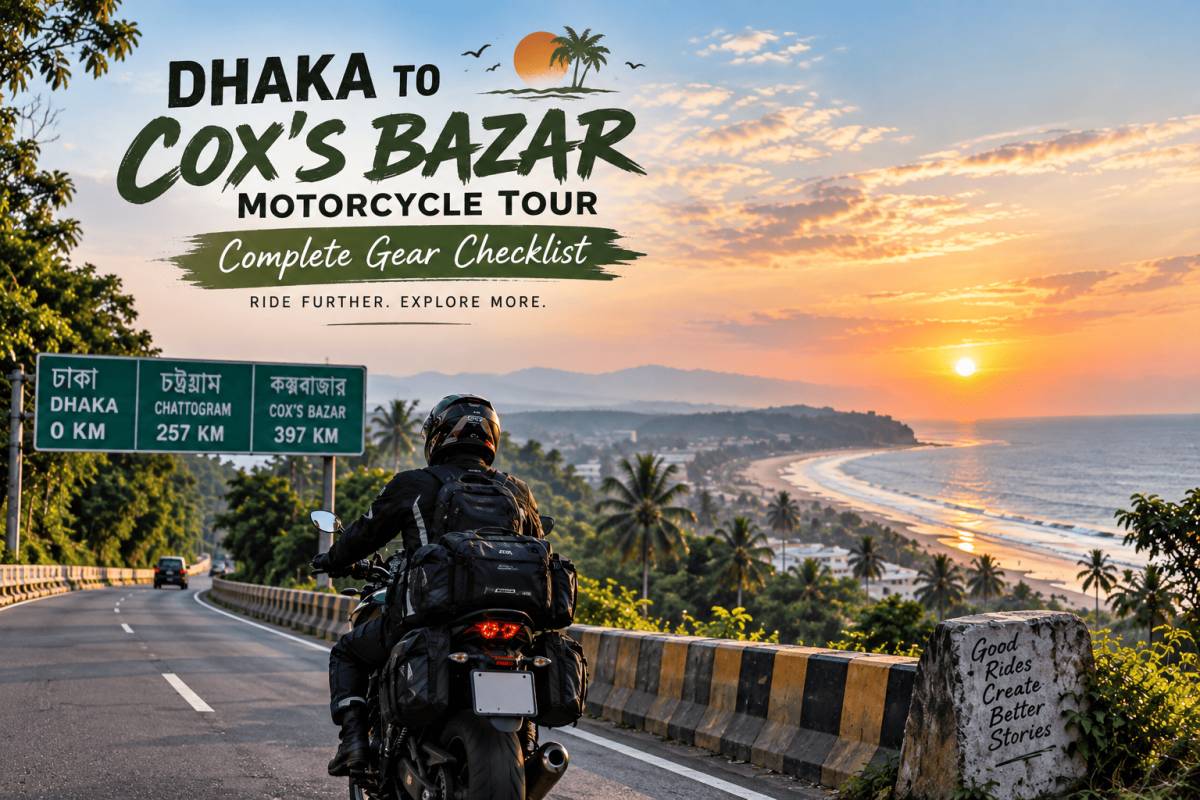
So before your next Dhaka-to-Cox's Bazar, Sylhet, Bandarban, or other long-distance motorcycle tour, go through your gear checklist and make sure you are properly prepared.



Leave a Comment
Please log in as a customer or dealer to leave a comment on this article.
Log In