





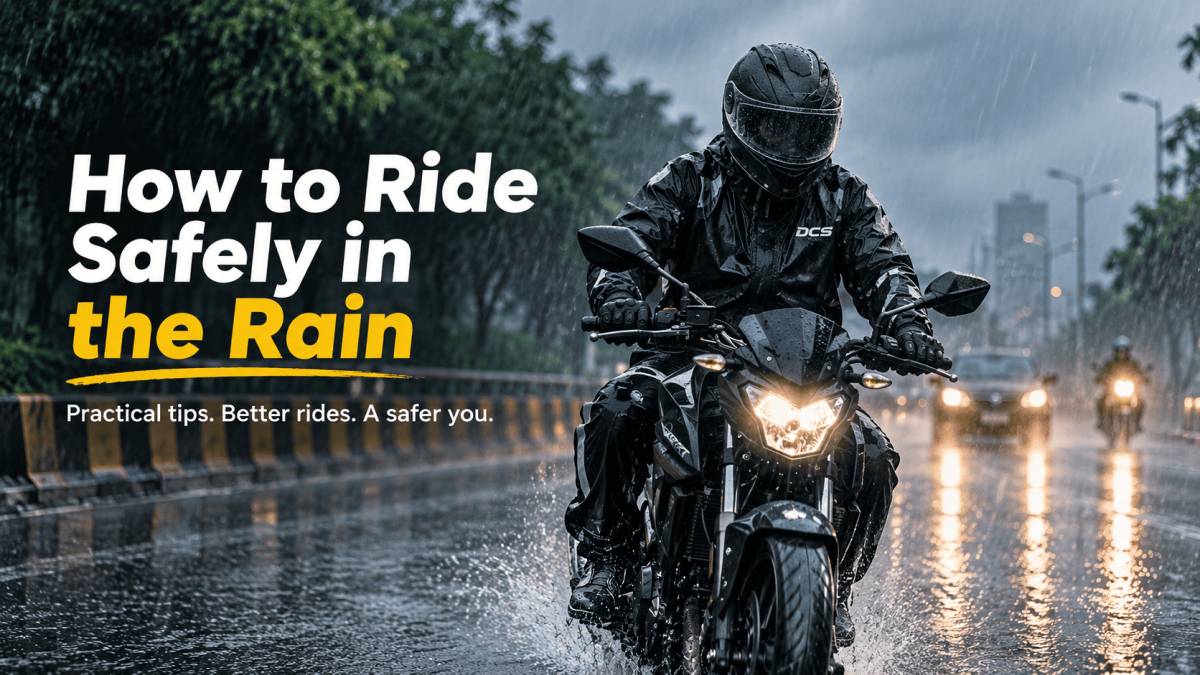
Riding a motorcycle in the rain is very different from riding on a dry road. Wet roads can become slippery, visibility can drop, and strong rain can make it harder to see other vehicles clearly.
But sometimes rain starts when you are already on the road, and stopping your journey is not always possible. With the right preparation and riding habits, you can make rainy motorcycle rides more manageable.
Here are some simple tips every motorcycle rider should know before riding in the rain.
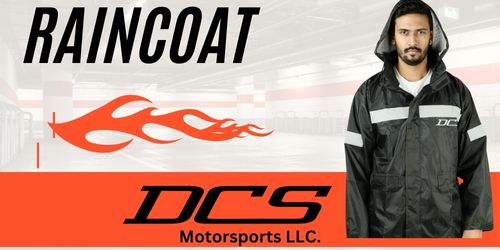
1. Wear a Proper Raincoat
The first thing you should think about before riding in heavy rain is proper rain protection.
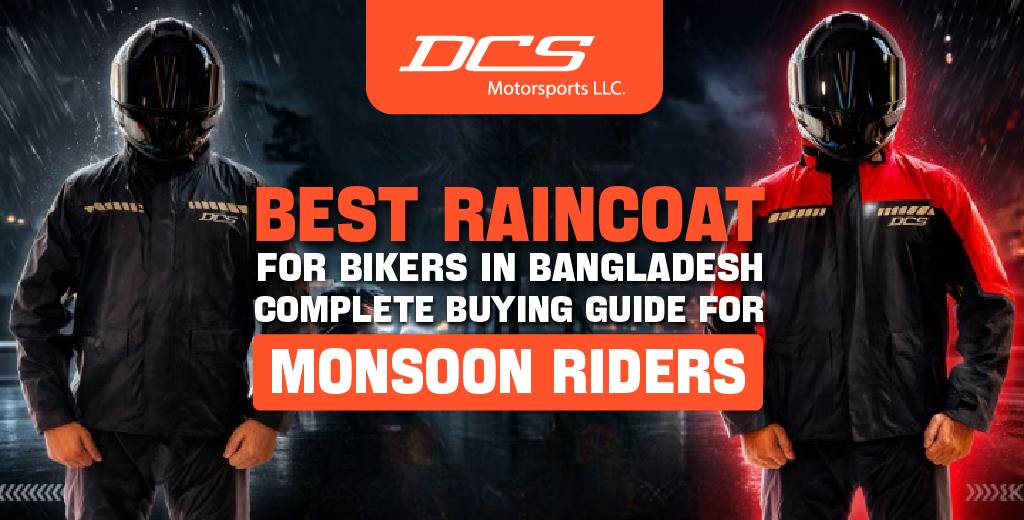
A good motorcycle raincoat can help keep your clothes dry and make a rainy ride more comfortable. For regular riders, it is also useful to keep rain gear with you because weather can change quickly.
DCSBD currently has several rain protection options, including raincoats and ponchos. You can check the available options in the DCSBD Raincoat Collection.
When choosing a raincoat, consider:
- Waterproof material
- Proper body coverage
- Comfortable fit
- Secure closures
- Easy storage
- Suitability for motorcycle riding
Do not wait until heavy rain starts to think about your rain gear. Keep it somewhere that you can access easily.
2. Protect Your Head and Eyes
Rain can make visibility difficult, especially when water builds up on the helmet visor.
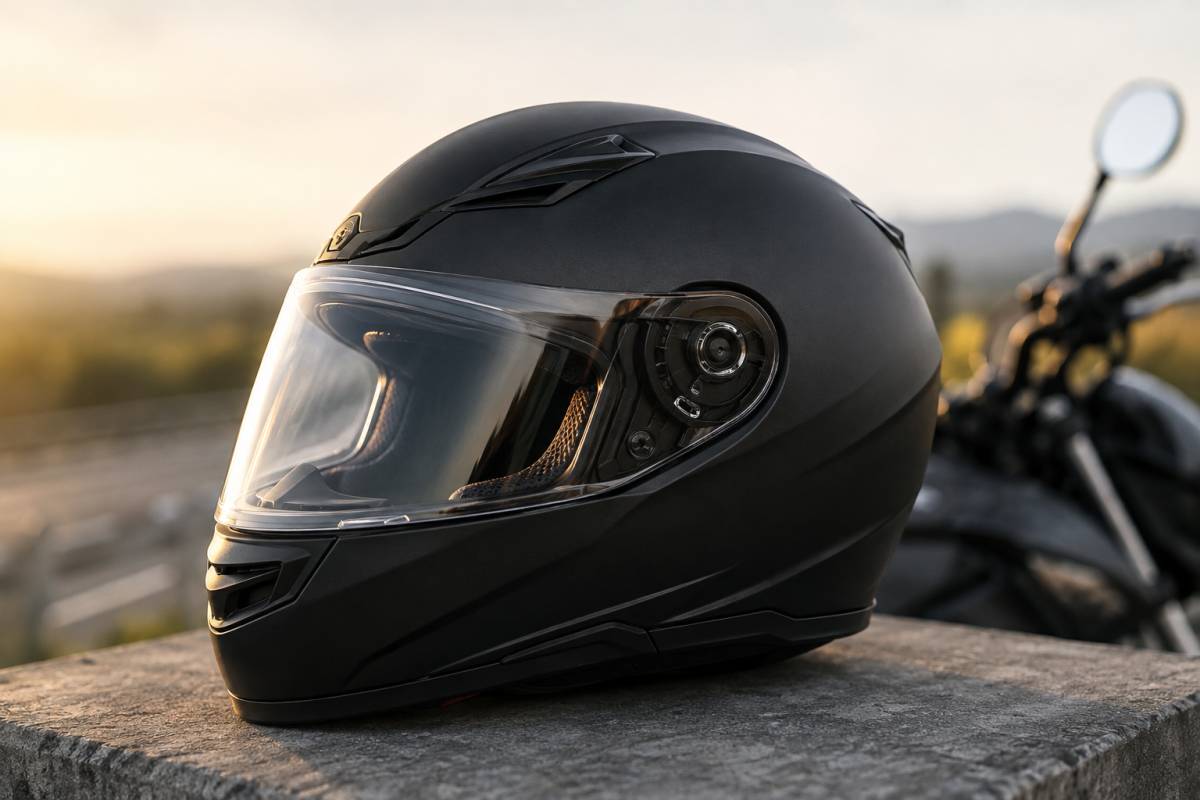
A properly fitting motorcycle helmet provides important head protection and also helps shield your face from rain and wind.
Before riding in rainy weather, check that:
- Your visor is clean
- The helmet fits properly
- The chin strap is secured
- Your vision is not obstructed
You can explore the Motorcycle Helmet Collection for different helmet options.
If your visor becomes difficult to see through during heavy rain, slow down and consider stopping somewhere safe rather than continuing with poor visibility.
3. Wear Proper Motorcycle Gloves
Wet hands can make riding uncomfortable, and maintaining a secure grip on the controls becomes even more important when road conditions are poor.
Proper motorcycle gloves can help protect your hands from rain, wind, and road conditions while giving you a more secure grip on the controls.
For rainy rides, make sure your gloves:
- Fit properly
- Allow your fingers to move freely
- Do not interfere with the brake or clutch
- Remain comfortable during longer rides
👉 Check the Motorcycle Hand Gloves Collection.
4. Slow Down on Wet Roads
One of the most important rules of riding in rain is simple: reduce your speed when conditions require it.
Water on the road can reduce available grip, particularly when combined with oil, dirt, mud, or other road debris.
Instead of maintaining your normal dry-road speed, adjust your speed according to:
- Rain intensity
- Road surface
- Traffic
- Visibility
- Standing water
- Road condition
There is no single speed that is safe for every rainy situation. The important thing is to ride at a speed that gives you enough time to react.
5. Keep More Distance From Other Vehicles
Stopping can require more care on a wet road.
For this reason, avoid following other vehicles too closely. Maintaining additional space gives you more time to react if the vehicle in front suddenly brakes or encounters an obstacle.
This is particularly important around:
- Buses
- Trucks
- Cars
- CNGs
- Auto-rickshaws
- Motorcycles
A little extra distance can give you more room to respond to unexpected situations.
6. Be Careful Around Potholes and Standing Water
Heavy rain can hide potholes, road damage, and other obstacles.
A puddle may look shallow but could contain a deep pothole underneath. Water can also make it difficult to identify broken road surfaces.
When approaching standing water:
- Reduce speed
- Avoid sudden steering
- Look for a safer path
- Keep both hands properly positioned
- Be prepared for unexpected road conditions
If you cannot see the road surface clearly, it is better to slow down significantly or avoid the area when possible.
7. Use Your Lights Properly
Rain can reduce visibility for both you and other road users.
Make sure your motorcycle's lights are working before heading out. Your headlight and rear lights can help other road users notice your motorcycle in poor weather.
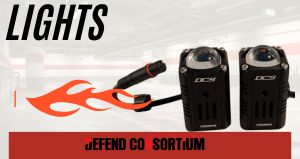
For riders who regularly travel at night or in low-visibility conditions, suitable auxiliary lighting can also be considered.
👉 Explore the Motorcycle Lights Collection.
However, auxiliary lights should be installed and aimed properly. Avoid using lighting in a way that creates unnecessary glare for other road users.
8. Keep Your Phone and Important Items Dry
Rain can damage electronics and important documents.
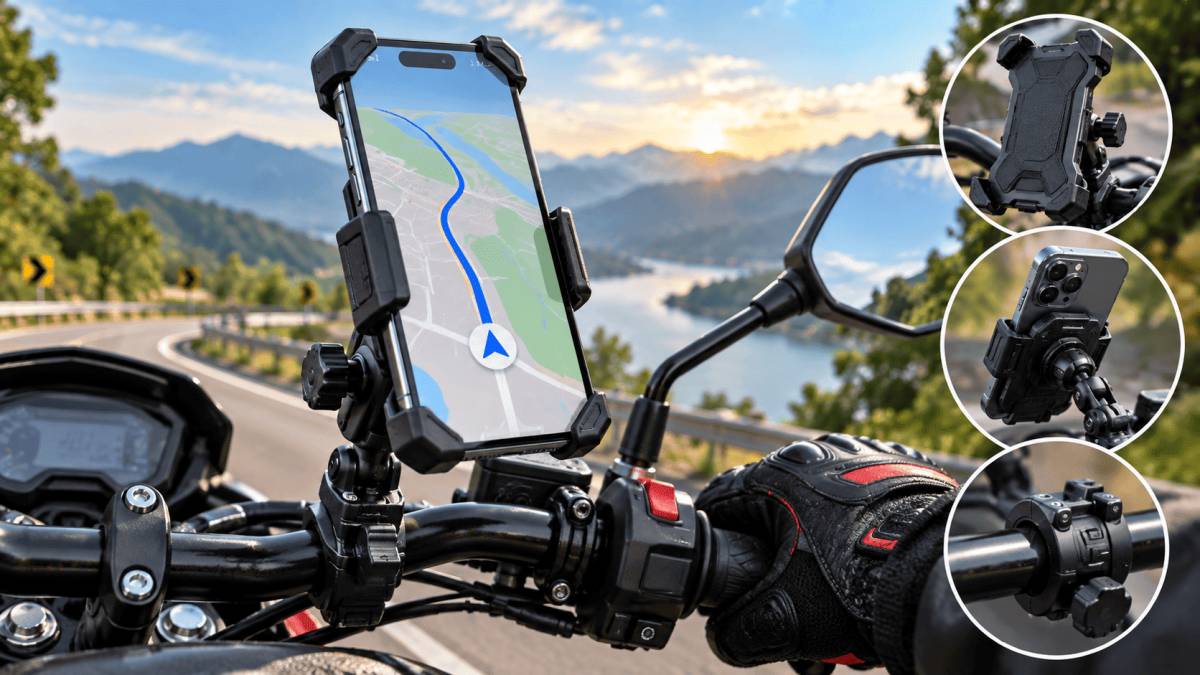
If you use your phone for navigation, make sure it is protected from water. Keep documents, wallet, keys, and other important items inside a waterproof compartment or bag.
A simple waterproof cover can save you from a lot of trouble when rain suddenly becomes heavy.
Also, never operate your phone while the motorcycle is moving. If you need to change navigation settings, stop somewhere safe first.
9. Windbreaker Can Help in Light Rain and Wind
A windbreaker can be useful when dealing with strong wind or light rain, but it should not automatically be treated as a replacement for proper rain gear.
DCSBD's windbreaker collection includes several rider-focused options.
👉 Check the DCSBD Windbreaker Collection.
For heavy or continuous rain, use a proper raincoat designed for wet-weather protection rather than relying only on a windbreaker.
10. Avoid Sudden Braking and Acceleration
Smooth control is especially important when the road is wet.
Try to avoid:
- Sudden acceleration
- Hard braking
- Sharp steering movements
- Aggressive overtaking
Instead, make your inputs gradually and give yourself enough space to respond to traffic.
If you need to slow down, do it progressively while keeping the motorcycle stable.
11. Be Extra Careful at Intersections
Intersections can become particularly difficult during rain.
Water, oil, mud, road markings, and traffic can all affect traction and visibility.
Pay extra attention when crossing:
- Painted road markings
- Metal surfaces
- Manhole covers
- Bridges
- Construction areas
- Muddy roads
Reduce your speed and avoid unnecessary sudden movements.
12. Take a Break When the Rain Becomes Too Heavy
You do not have to continue riding through every weather condition.
If heavy rain makes it difficult to see the road or other vehicles, find a safe place to stop and wait.
You should consider stopping when:
- Visibility becomes very poor
- Water is accumulating heavily on the road
- You cannot clearly identify road hazards
- You feel tired
- Your helmet visor becomes difficult to see through
Arriving later is better than continuing when the conditions are no longer manageable.
13. Check Your Motorcycle Before Riding
Before starting your ride, spend a few minutes checking your motorcycle.
Pay attention to:
Tyres
Check tyre condition and pressure.
Brakes
Make sure both brakes are working properly.
Lights
Check the headlight, brake light, indicators, and tail light.
Wipers or Visor
If you use a helmet with a visor, make sure it is clean and clear.
Chain
Check the chain condition and lubrication if needed.
A quick inspection can help identify problems before you get caught in bad weather.
Rainy-Day Motorcycle Checklist
Before leaving home, quickly check:
- ✅ Raincoat
- ✅ Proper helmet
- ✅ Clean visor
- ✅ Motorcycle gloves
- ✅ Waterproof storage
- ✅ Working lights
- ✅ Good tyre condition
- ✅ Working brakes
- ✅ Charged phone
- ✅ Important documents
- ✅ Water and basic emergency items
Keeping these items ready can make unexpected rain much easier to handle.
FAQ
Is it safe to ride a motorcycle in the rain?
Riding in rain can involve additional hazards because wet roads and reduced visibility can affect riding conditions. Riders should adjust their speed, maintain more distance, and stop when conditions become too difficult to manage.
Should I wear a raincoat while riding a motorcycle?
A suitable raincoat can help keep your clothing dry and make riding during rainfall more comfortable. Choose one that fits properly and is suitable for motorcycle use.
Can I use a windbreaker instead of a raincoat?
A windbreaker can help with wind and may offer some protection from light rain, but it should not automatically be considered a replacement for dedicated rain gear. DCSBD's windbreaker collection includes rider-focused options.
What should I do if heavy rain starts while riding?
Reduce your speed, increase your following distance, improve your visibility, and look for a safe place to stop if the rain becomes too heavy.
How can I protect my phone from rain while riding?
Use suitable waterproof protection and keep the phone securely mounted or stored. Never handle the phone while the motorcycle is moving.
Final Thoughts
Riding a motorcycle in the rain requires more preparation and attention than riding on a dry road.
A proper raincoat, helmet, gloves, good visibility, working lights, and a well-maintained motorcycle can help you deal with wet-weather riding more effectively. Just as important are your riding habits—slow down when necessary, maintain distance, avoid sudden movements, and stop when conditions become too difficult.
If you ride regularly during Bangladesh's rainy season, keeping a raincoat with you is one of the simplest ways to stay prepared.
👉 Explore DCSBD Raincoat Collection and prepare your motorcycle gear before the next rainy ride.




Leave a Comment
Please log in as a customer or dealer to leave a comment on this article.
Log In