



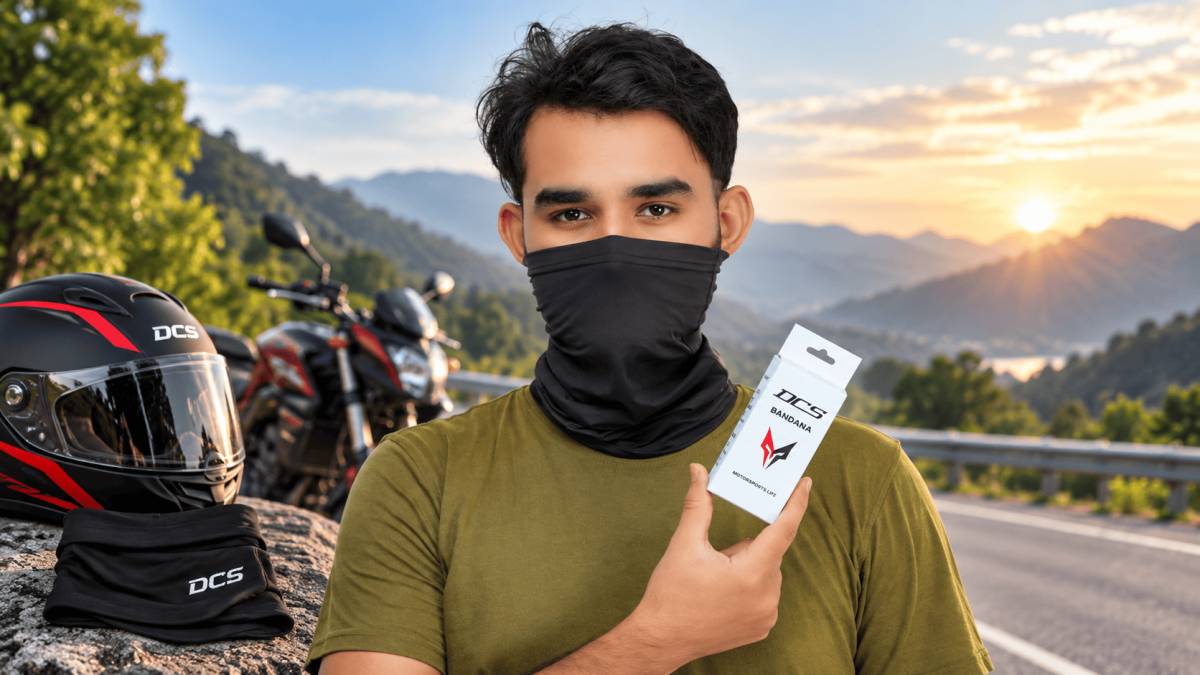
A motorcycle bandana is a simple and versatile accessory that can make riding more comfortable. Riders can use a bandana around the neck or face to help manage sweat, reduce direct exposure to wind and sun, and provide a light barrier against dust and road debris.
For riders in Bangladesh, where hot weather, humidity, dust and changing riding conditions are common, a suitable bandana can be useful for both daily commuting and longer motorcycle trips.
If you're looking for a lightweight riding accessory for everyday use, the DCS Ice Silk Bandana is one option to consider.
However, it is important to understand what a bandana can and cannot do. A normal fabric bandana is a comfort accessory, not certified motorcycle protective equipment or a replacement for a helmet.
What Is a Motorcycle Bandana?
A motorcycle bandana is a lightweight piece of fabric designed to be worn around the neck, head or lower face.
Depending on its size and design, it can be used in different ways. Some riders wear it around the neck, while others pull it up to cover part of the face.
Motorcycle-specific bandanas and neck gaiters are commonly used for wind, dust, sun and temperature comfort. Some are also designed to manage moisture and dry quickly.
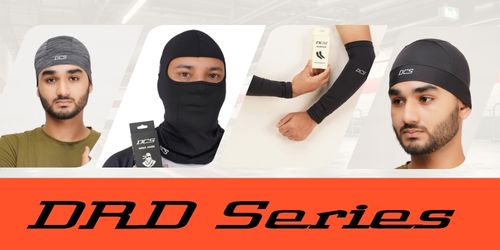
For riders looking for more riding accessories, you can also explore the DRD Rider Series at DCSBD.
What Are the Benefits of a Motorcycle Bandana?
1. Helps Reduce Wind Exposure
One of the simplest benefits of a bandana is covering exposed skin around the neck and lower face.
At higher riding speeds, continuous airflow can make the neck and face uncomfortable. A suitable fabric covering can create a light barrier against the wind.
A lightweight product such as the DCS Ice Silk Bandana can be a practical addition to a rider's everyday gear when additional neck or face coverage is desired.
2. Helps Manage Sweat
Motorcycle riding in hot weather can cause significant sweating, particularly around the neck and face.
A lightweight, breathable bandana can help manage moisture and make the ride more comfortable. Some motorcycle neckwear is specifically designed with moisture-management or quick-drying materials.
This can be particularly useful during long rides or daily commuting in warm weather.
For riders who want a lightweight option for warm-weather riding, check the DCS Ice Silk Bandana.
3. Provides Some Protection From Sun Exposure
When the neck is exposed during a long ride, continuous sunlight can make riding uncomfortable.
A bandana worn around the neck can provide physical coverage from direct sunlight. Some specialized neck gaiters also have a tested UPF rating, but this should not be assumed for every bandana. The level of sun protection depends on the fabric and product specifications.
4. Helps Reduce Dust and Road Debris Contact
A bandana pulled over the lower face can create a physical barrier against some dust and small particles encountered during riding.
Motorcycle-specific bandana and face-covering products are commonly used for wind and dust protection.
However, a normal fabric bandana should not be described as an air-pollution filter or respirator. Unless a product has appropriate filtration specifications and certification, it should not be relied upon for respiratory protection.
5. Useful in Different Weather Conditions
A bandana can be useful in both warm and cooler conditions, depending on the fabric.
In hot weather, a lightweight and breathable fabric can improve comfort. In cooler weather, additional neck coverage can help reduce exposure to cold airflow.
This makes a motorcycle bandana a practical accessory for riders who travel in changing weather conditions.
6. Can Be Used in Different Ways
One advantage of a bandana is versatility.
Depending on its size and design, it can be worn as:
- A neck covering
- A lower-face covering
- A head covering
- A sweatband
- A lightweight layer under a helmet
This versatility makes a bandana useful for both everyday commuting and longer motorcycle trips.
Is a Motorcycle Bandana Protective Gear?
Not in the same way as certified motorcycle protective equipment.
Helmets, protective jackets, pants, gloves and appropriate boots are designed to provide protection in situations where a normal fabric bandana cannot.
A normal fabric bandana does not provide the impact or abrasion protection of certified motorcycle protective gear.
Therefore, riders should use a bandana alongside, not instead of, proper motorcycle safety equipment.
Think of a bandana as a comfort and weather accessory, rather than protective crash equipment.
Motorcycle Bandana vs Ninja Mask
Although they can have overlapping uses, a bandana and a ninja mask are not exactly the same.
| Feature | Motorcycle Bandana | Ninja Mask |
|---|---|---|
| Neck coverage | Yes | Usually yes |
| Face coverage | Optional | Usually more extensive |
| Head coverage | Depends on how it is worn | Usually yes |
| Wind comfort | Yes | Yes |
| Sweat management | Yes | Yes |
| Sun coverage | Yes, depending on use | Yes, depending on coverage |
| Versatility | Usually high | More specialized |
| Crash protection | No | No |
The better option depends on how much coverage the rider wants and the weather conditions in which they normally ride.
If you're interested in other rider-focused accessories, you can browse the DRD Rider Series for additional options.
What Should You Look for in a Motorcycle Bandana?
Before buying one, consider the following factors:
Breathable Fabric
For Bangladesh's warm weather, breathable material can be more comfortable than thick fabric.
Moisture Management
If you ride for long periods, a material that manages or wicks moisture can be useful.
Comfortable Fit
The bandana should not be excessively tight or interfere with normal breathing.
Easy to Wash
Since the bandana can collect sweat and dirt, washable fabric is practical for regular use.
Suitable Coverage
Choose a design that provides the amount of neck or face coverage you actually need.
Helmet Compatibility
If you wear the bandana underneath a helmet, make sure it does not create uncomfortable pressure or interfere with the helmet's proper fit.
Can You Wear a Bandana Under a Motorcycle Helmet?
Yes, a thin bandana can be worn under a helmet, provided it does not interfere with the helmet's fit or stability.
The important point is that the helmet should remain properly fitted.
Avoid using a thick or bulky layer that changes how the helmet sits on your head.
A lightweight option such as the DCS Ice Silk Bandana can be considered when you want additional coverage without adding a bulky layer.
Why Choose a Motorcycle Bandana from DCSBD?
Choosing the right motorcycle accessories can make everyday riding more comfortable.
The DCS Ice Silk Bandana is an option for riders looking for a lightweight bandana for everyday motorcycle riding.
You can also explore the DRD Rider Series to discover other rider-focused accessories.
Whether you're commuting around the city or preparing for a longer motorcycle trip, a suitable bandana can be a simple addition to your riding setup.
Final Thoughts
A motorcycle bandana can be a useful accessory for riders who want additional comfort during everyday riding. Its practical benefits include helping manage sweat, reducing direct wind exposure, providing some coverage from sunlight and creating a light barrier against dust and road debris.
Its usefulness depends heavily on the material, design and how it is worn.
Most importantly, a bandana is not a substitute for a motorcycle helmet or certified protective riding gear. Think of it as a comfort and weather accessory that can complement your normal riding equipment.
For riders in Bangladesh, a lightweight, breathable and washable bandana can be a simple addition to a practical motorcycle riding setup.
Looking for a Motorcycle Bandana?
If you want a lightweight riding accessory for neck, face or head coverage, check out the DCS Ice Silk Bandana.
👉 Shop DCS Ice Silk Bandana at DCSBD
You can also explore more products from the DRD Rider Series.
Ride comfortably. Stay focused. Choose the right gear for every journey.




Leave a Comment
Please log in as a customer or dealer to leave a comment on this article.
Log In